Introduction
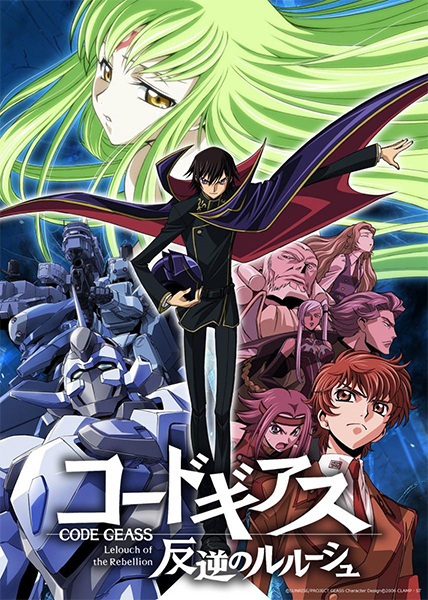
Few anime characters have ignited as much philosophical debate as Light Yagami from Death Note and Lelouch vi Britannia from Code Geass. Both series occupy a legendary status in psychological thriller anime, driven by brilliant protagonists who acquire supernatural leverage to challenge corrupt establishments. Yet, beneath the surface-level similarities of chess-playing geniuses wielding god-like powers, their ethical frameworks diverge drastically. Examining Code Geass vs Death Note moral philosophy reveals two distinct explorations of utilitarianism, divine right, and corruption.
Light Yagami: The Solipsistic Autocrat
Light Yagami's descent into godhood begins with sheer boredom and an instrument of absolute judgment: the Death Note. Light operates under a rigid, self-serving consequentialism that quickly curdles into pure solipsism. To Light, the ends always justify the means, provided he is the sole arbiter defining those ends.
The philosophical horror of Death Note lies not just in the body count, but in Light's complete lack of institutional vision. He does not seek to reform the socioeconomic roots of crime; he simply eliminates symptoms through terror, establishing a global dictatorship where he reigns as 'Kira.' Light's ego is his fatal flaw. His morality is entirely egocentric—justice is whatever keeps Light Yagami at the center of the universe.
Lelouch vi Britannia: The Pragmatic Revolutionary
In contrast, Lelouch vi Britannia utilizes the Geass power not to play hidden deity, but to dismantle a sprawling imperial hegemony. Lelouch's philosophy is rooted in historical materialism and geopolitical revolution. He understands that changing a corrupt world requires structural upheaval, not just mystical assassinations.
Lelouch's utilitarian calculus is explicitly tragic. He takes direct accountability for the suffering he causes, famously declaring that those who take action must be prepared to accept the consequences, including death. While Lelouch becomes a tyrant—the ultimate villain of the world—he does so consciously, engineering the 'Zero Requiem' to unite global hatred against himself and achieve lasting peace through self-sacrifice.
Comparing the Ethical Frameworks
When comparing the two narratives, the core divergence rests on accountability and scope:
- Methodology: Light works in the shadows as an invisible executioner, fostering blind fear. Lelouch works in the public eye as a revolutionary leader, building coalitions before orchestrating his own downfall.
- Ultimate Goal: Light seeks personal validation and a world governed by his ego. Lelouch seeks a safer world for his sister and humanity, deliberately making himself the final obstacle to be overthrown.
- Moral Agency: Light refuses to accept his own corruption, viewing himself as infallible. Lelouch embraces his status as a monster, proving that his utilitarian calculus includes his own destruction.
Conclusion
Both Death Note and Code Geass remain timeless because they refuse to offer easy moral answers. Light Yagami shows us how absolute power corrupts an individual's soul from the inside out, while Lelouch demonstrates the agonizing weight of utilitarian burden. Ultimately, while Light is consumed by his own god complex, Lelouch achieves redemption by becoming the ultimate sacrifice for a better tomorrow.