The Journey of a Modern Masterpiece
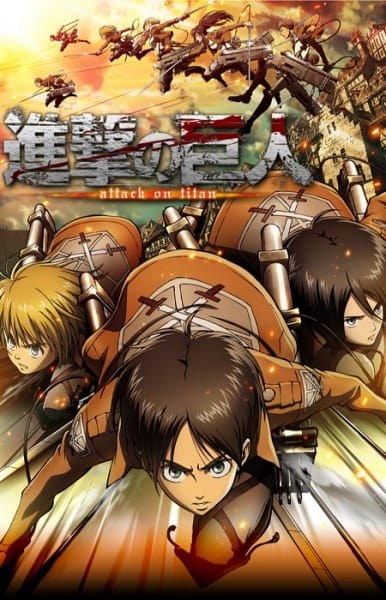
When Hajime Isayama’s Attack on Titan (Shingeki no Kyojin) first burst onto screens in 2013 via Wit Studio, it instantly redefined what weekly dark fantasy anime could achieve. Over a decade later, following its meticulous adaptation through MAPPA, the series has concluded its sprawling narrative. For fans looking to revisit the phenomenon or newcomers diving in for the first time, understanding the intricate broadcast structure and thematic legacy is essential.
Navigating the Final Season Watch Order
One of the most common hurdles for viewers utilizing a Shingeki no Kyojin final season watch guide is the fragmented nature of the concluding arcs. Rather than a traditional contiguous broadcast, the "Final Season" was intentionally broken down across multiple years:
- The Final Season Part 1 (Episodes 60–75): Introduces the global perspective, shifting the narrative focus to Marley.
- The Final Season Part 2 (Episodes 76–87): Escalates the conflict, bringing Eren Yeager's ideological transformation to a boiling point.
- The Final Seasons Specials (The Final Chapters): Feature-length broadcast specials that adapt the climax of the manga in cinematic proportions.
Cultural Impact and Industry Influence
Beyond the shocking plot twists and intricate world-building, Attack on Titan permanently altered how international audiences consume seasonal anime. Its simulcast availability bridged global fan communities, sparking intense weekly discussions around morality, freedom, and geopolitical allegory.
As it sits comfortably at the pinnacle of MyAnimeList popularity rankings, its evergreen appeal remains unmatched. Whether you are analyzing its intricate foreshadowing or experiencing the sweeping orchestral score by Hiroyuki Sawano and Kohta Yamamoto for the first time, Attack on Titan stands as a defining milestone of 21st-century animation.